
Where to Stay in Kansas City: Complete Area Breakdown for Every Traveler

Choosing where to stay in Kansas City is not a simple location decision. It is the single variable that determines how your entire trip unfolds.
Most travelers approach this backward. They pick a property first, then try to build their itinerary around it. That is why they end up spending more time commuting than experiencing the city.
Kansas City is not dense like New York. It is distributed. That means location is not about being “central.” It is about being strategically positioned for how you actually plan to spend your time.
If you get this right, your trip feels smooth. If you get it wrong, everything becomes slightly inconvenient, and those small inefficiencies compound quickly.
This guide breaks down the best areas to stay in Kansas City based on how people actually travel, not how listings are marketed.
What “Staying in the Right Area” Actually Means
Before deciding where to stay in Kansas City, most travelers rush into comparing listings, prices, and photos. That is exactly where they make the first mistake.
People usually begin with questions like Best neighborhoods to stay in Kansas City for tourists? but that question is too generic to be useful. It does not consider how different travelers experience the city.
The right area is not:
The most popular neighborhood
The cheapest listing
The one with the best photos
The right area is:
The location that reduces daily friction
The one aligned with your schedule and movement
The one that supports your group dynamic
When you search what are the best neighborhoods to stay in Kansas City for first-time visitors? you are actually trying to reduce uncertainty. First-time visitors want access, simplicity, and minimal planning. That is very different from someone booking a kc stay for two weeks or longer.
For example, someone planning nightlife will optimize for proximity to activity zones. A family looking for space and calm will prioritize layout and safety. Someone on a work trip will prioritize consistency and predictability.
So the real question is not just where to stay in Kansas City. It is what kind of experience you are trying to build.
Most travelers only realize this after planning their itinerary, especially when exploring things to do in Kansas City and noticing how much time is lost moving between poorly chosen locations.
Downtown Kansas City: High Energy, High Access
Downtown is usually the first recommendation when people search best areas to stay in Kansas City. That happens because it concentrates activity, attractions, and accessibility into one area.
But calling it the best option for everyone is lazy advice.
When does Downtown actually work best?
Short stays with packed itineraries: If your plan is to explore constantly, Downtown minimizes travel time. You step outside and most experiences are already within reach. This directly answers where to stay in Kansas City close to major attractions because you eliminate unnecessary commuting.
Events, concerts, and nightlife: Downtown dominates entertainment. If you are attending events, staying here removes the friction of late-night transport. This is why people actively search hotels near the Power and Light District in KC when planning short visits.
First-time visitors: Downtown simplifies decision-making. Instead of planning routes across the city, you operate from a central hub. This is why many first-time visitors default here without fully understanding trade-offs.
Where does Downtown fall short?
Space limitations: Most accommodations are compact. For solo travelers, that is manageable. For families or groups, it quickly becomes restrictive and affects comfort over multiple days.
Noise and crowd density: Downtown is active almost constantly. That sounds attractive in theory, but in practice it leads to fatigue, especially on weekends or event-heavy days.
Cost vs value mismatch: Affordable lodging in downtown Kansas City exists, but lower-priced options often compromise on comfort, noise insulation, or overall experience.
If your trip is built around movement and activity, Downtown performs well. If your trip requires rest, space, or longer stays, it starts working against you. Timing also plays a major role here, because your experience can vary significantly depending on the best time to visit Kansas City by seasons, especially during peak events and busy travel periods.
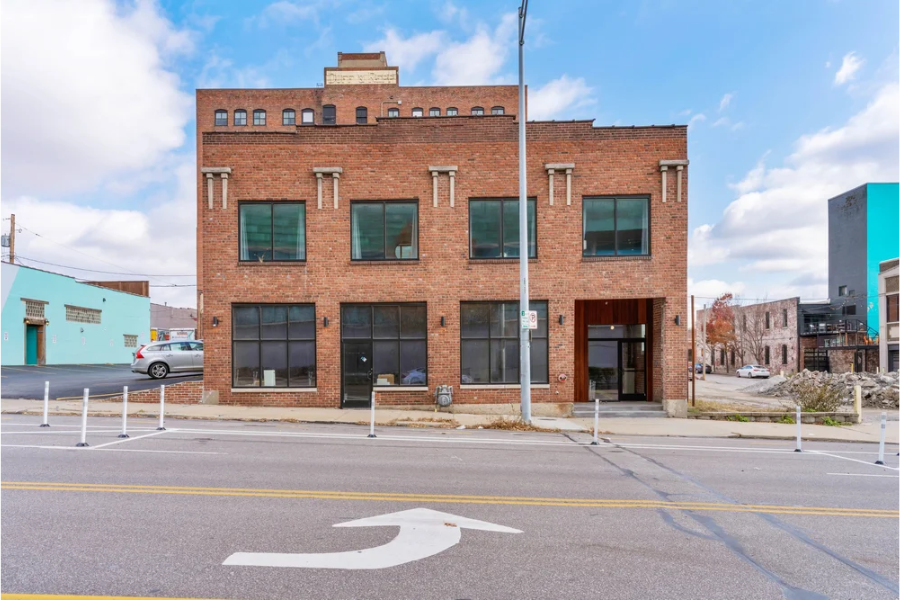
Crossroads Arts District: The Practical Middle Ground
Crossroads is often misunderstood because people reduce it to aesthetics. They search boutique hotel recommendations in Kansas City's Crossroads Arts District expecting a design-driven experience.
That is not the real advantage.
Crossroads works because it balances access and livability.
Why do experienced travelers prefer Crossroads?
Proximity without chaos: You remain close to Downtown but avoid its intensity. This means you can access major attractions without dealing with constant noise and crowds.
Strong food and bar ecosystem: Crossroads offers high-quality restaurants and bars within walking distance. You do not need to travel far for good experiences, which reduces daily planning.
Balanced space and flexibility: Compared to Downtown, you are more likely to find accommodations that feel usable rather than cramped. This becomes important for multi-day stays.
This is also where boutique-style stays like Southmoreland become relevant. They provide a more curated experience without the chaos of central zones.
So the real question becomes:
Do you want to be in the middle of everything, or just close enough to access it efficiently?
That distinction determines whether Crossroads works better than Downtown. For example, travelers planning weddings or attending events often structure their stay differently, especially when considering wedding venues in Kansas City and the best season to book, which directly affects location choice.
Country Club Plaza: Stability Over Activity
The Plaza attracts a completely different type of traveler.
People searching where to find luxury hotels in Kansas City or where can I find luxury accommodations in Kansas City usually land here because it offers consistency.
This area is not designed for constant movement. It is designed for structured stays.
Who benefits most from staying here?
Families and group travelers: Families need space, predictability, and ease of movement. The Plaza offers wider layouts and cleaner environments, which reduce stress across multi-day stays. This becomes even more important for longer visits, where choosing between flexible options like short-term vs weekly rentals in Kansas City can directly impact both cost and comfort.
Longer stays and midterm visits: If your trip is more than a weekend, you need a place that supports routine. Plaza offers that consistency without overwhelming you.
Staycation and leisure travelers: This area is built for a slower pace. You are not chasing activity every hour. You are enjoying the environment.
What are the trade-offs?
Limited nightlife access: You will need to travel into Downtown or Westport for high-energy activities. That adds planning.
Lower event density: The area is quieter by design. If your trip depends on constant stimulation, this will feel slow.
This is why many travelers combine Plaza stays with experiences like events at venues such as Blue Cedar Landing for weddings or gatherings. It balances structured accommodation with destination experiences.
Westport and Midtown: Flexible but Context-Dependent
Westport and Midtown sit between residential and entertainment zones. That makes them flexible, but also inconsistent.
People searching affordable places to stay near downtown Kansas City or best areas to stay in KC for nightlife often consider these areas.
When do these areas make sense?
Affordability with access: You can find better pricing compared to Downtown. That makes them attractive for budget-conscious travelers.
Longer stays: These areas feel more like actual neighborhoods, which makes them better suited for extended visits.
Comfort with navigation: You need to be comfortable using transport. These areas are not as walkable as Downtown.
Where do people go wrong?
Expecting Downtown-level convenience: The density is lower, which means more planning.
Ignoring street-level variation: Two properties in the same area can deliver completely different experiences. That unpredictability matters.
So the real question becomes: Are you optimizing for cost, or for convenience?
Areas Near Major Attractions
Some travelers try to optimize their stay around one attraction.
For example, they look at locations near GEHA Field at Arrowhead Stadium thinking it simplifies planning.
That logic works only in a narrow context.
Does staying near the stadium help?
Yes, for event-day convenience: You reduce stress and travel time on the day of the event.
No, for overall trip experience: Outside events, these areas lack activity, dining, and variety.
The smarter approach is simple: Choose a location that supports your entire trip, not just one event.
Common Misconceptions About Staying in Kansas City
There are recurring mistakes that reduce trip quality.
Central location solves everything: Kansas City does not operate on a single center. Different trips require different anchors.
Cheaper is always better: Lower nightly rates often increase total cost through travel time, inconvenience, and fatigue.
Hotels are always easier: Hotels simplify check-in, but they complicate group coordination and long stays.
All neighborhoods are the same: They are not interchangeable. A poor location creates friction every single day.
These mistakes happen because people focus on listings instead of experience design.
How Accommodation Affects Your Trip
Accommodation is not just where you sleep. It is where your entire trip is structured.
It affects:
How you start your day
How you reset between activities
How your group coordinates
How efficiently you move
A functional setup looks like this:
Shared living areas: These should support real interaction, not just look good in photos. Groups need usable space to coordinate and relax.
Functional kitchens: Important for families and longer stays. Eating out every meal is not practical or efficient.
Reliable layout: Comfort over multiple days matters more than visual appeal for one night.
Location efficiency: You should not spend time figuring out logistics every day.
This is why many travelers move toward kc stay options that act as operational bases rather than temporary rooms.
How to Choose the Right Area
Instead of guessing, use a structured approach.
Define your trip type: Short trips, long stays, or group travel all require different setups.
Understand movement patterns: If you are moving constantly, central locations matter more.
Evaluate group needs: Privacy, shared space, and schedule alignment affect your experience.
Balance cost and friction: Cheaper options often increase hidden costs in time and energy.
Why Vacation Rentals Solve Most of These Problems
Once you evaluate the reality of travel, the limitations of traditional hotels become obvious.
Vacation rentals solve:
Group coordination issues: Everyone stays together, reducing complexity.
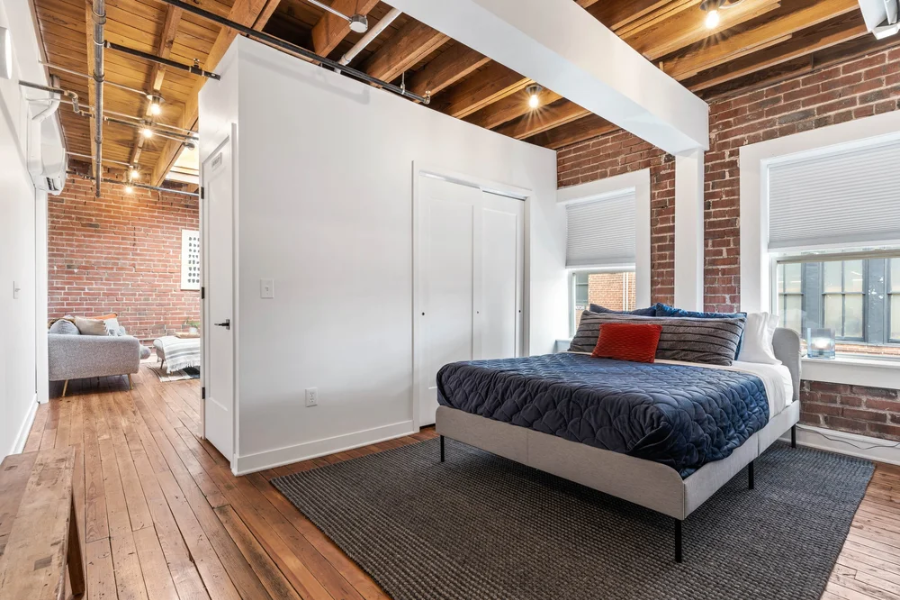
Space constraints: You get multiple rooms and usable living areas.
Longer stay functionality: You can live in the space, not just sleep in it.
Better alignment with real travel behavior: Your accommodation supports your schedule.
This is why travelers searching where to stay in Kansas City are increasingly choosing rentals over hotels.
FAQs
What is the best area to stay in Kansas City for first-time visitors?
Downtown and Crossroads are the most practical choices for first-time visitors because they simplify navigation and provide access to major attractions. These areas reduce travel time, minimize planning effort, and allow visitors to experience multiple parts of the city without logistical complexity or constant transportation decisions.
Is Kansas City walkable for tourists?
Kansas City has walkable pockets like Downtown and the Plaza, but the city as a whole requires transportation planning. Relying only on walking limits your experience, so using rideshare or a car is often necessary to move efficiently between neighborhoods and attractions.
Are vacation rentals better than hotels in Kansas City?
Vacation rentals are generally better for groups and longer stays because they provide more space, flexibility, and functional amenities. Hotels are convenient for short stays, but rentals align better with real travel behavior, especially when coordinating schedules, meals, and shared living arrangements.
Where should families stay in Kansas City?
Families benefit most from areas like Country Club Plaza and Midtown because they offer safer environments, more space, and easier navigation. These areas reduce daily stress, provide better amenities, and create a more comfortable experience compared to high-density locations like Downtown.
How far are major attractions from each other?
Most key areas in Kansas City are within 10 to 20 minutes by car, but timing depends on traffic and events. Choosing the right location reduces unnecessary travel and ensures you spend more time experiencing the city rather than commuting between destinations.
The Difference Between Staying Somewhere and Staying Right
Most people do not have a bad trip to Kansas City. They have an inefficient one.
They stay slightly too far. They spend more time commuting than expected. They deal with small inconveniences that accumulate.
Choosing where to stay in Kansas City correctly removes those problems before they exist.
The right area does not just improve your stay. It simplifies your entire trip.
And when your accommodation actually supports how you move, plan, and spend your time, especially through well-structured options like CozyInKC, you stop thinking about logistics and start experiencing the city the way it is meant to be experienced.