
Best Time to Visit Kansas City: Spring vs Summer vs Fall vs Winter
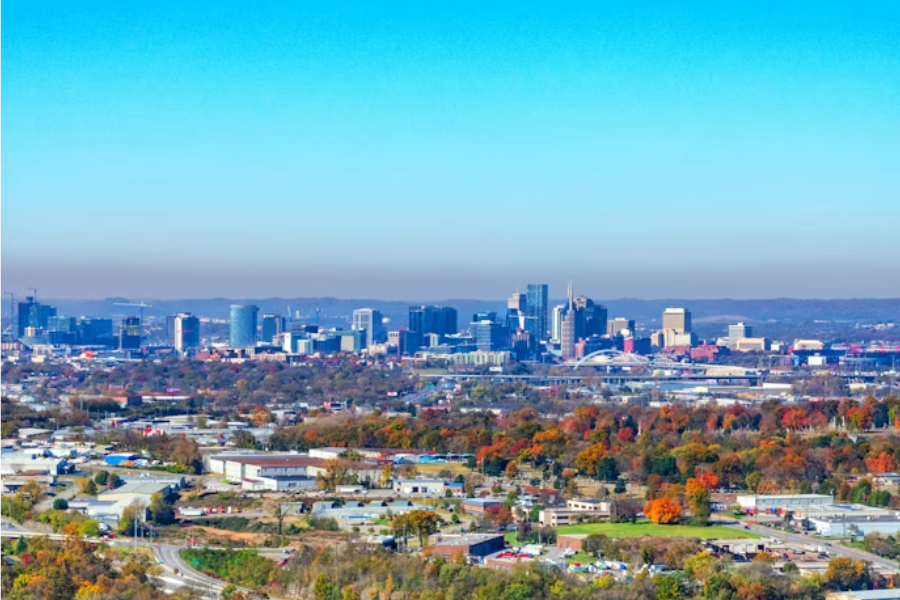
Choosing the best time to visit Kansas City is not just about weather. It directly affects how crowded the city feels, how much you spend on accommodation, and what kind of experience you actually have once you arrive.
Some travelers land in peak summer expecting a relaxed city break and find themselves navigating packed events, higher prices, and limited availability. Others visit in winter assuming there’s nothing to do, only to realize they missed quieter neighborhoods, better booking flexibility, and a completely different side of Kansas City.
So the real question isn’t when is Kansas City best overallit’, s when is it best for the kind of trip you’re planning.
Kansas City has evolved into a year-round destination. Between sports, festivals, food culture, and neighborhood experiences, each season serves a different type of traveler. The difference between a good trip and a well-timed one comes down to understanding how these seasons actually behave in practice.
This guide breaks down each season into spring, summer, fall, and winter. so you can decide what aligns with your priorities, whether that’s events, pricing, weather, or overall experience.
What “Best Time to Visit” Actually Means
Before you compare seasons, you need to stop thinking like a generic traveler and start thinking like someone making a strategic decision.
“Best time to visit” is not a universal truth. It is a variable that depends on what you actually value during your trip.
Most travel guides simplify this into one answer, but that is where people go wrong. They optimize for what sounds ideal, not what works for their situation.
Weather comfort vs activity density
Mild weather is often positioned as the ideal condition, but that does not automatically translate into a better trip. Some of the most comfortable months in Kansas City come with fewer events, quieter streets, and limited experiences. On the other hand, peak months are packed with events, energy, and movement, but they also introduce noise, crowds, and logistical pressure that many travelers underestimate.
Crowds vs availability
When demand increases, the city becomes more exciting, but your flexibility drops significantly. You get fewer choices, higher prices, and less control over where you stay and how you plan your days. During lower demand periods, you gain control. You can choose better locations, better pricing, and better timing without competing against a large number of visitors.
During lower demand periods, you gain control. You can choose better locations, better pricing, and better timing without competing against a large number of visitors. Travelers who want a quieter, more character-driven stay often look at places like Southmoreland when timing and neighborhood experience matter as much as convenience.
Trip purpose
A short weekend trip requires a completely different strategy than a five day stay or a two week remote work setup. If you are not aligning your season with your purpose, you are setting yourself up for unnecessary friction. This is where most people fail. They pick a season based on popularity instead of matching it with how they actually travel.
So instead of asking generally, ask specifically. When is the best time to visit Kansas City for how you travel, not how others do?
Spring in Kansas City: Balanced but Unpredictable
Spring looks appealing on the surface, but it is not as straightforward as most guides suggest.
What to Expect
Spring is a transition period. The city moves out of winter and begins to come alive again. Parks become active, outdoor spaces reopen, and neighborhoods feel more vibrant.
But this comes with a major trade-off.
If you are wondering what is the weather like in Kansas City during spring, the honest answer is inconsistent. You can experience warm, sunny days followed by cold, rainy conditions within the same week.
It is also important to understand how often does it rain in Kansas City during this time. Rainfall is frequent enough to disrupt outdoor plans, which means you need flexibility built into your schedule.
Where Spring Works Well
Lower crowd pressure - Spring sits right before peak travel season, which means you are not competing with large volumes of tourists. This gives you more breathing room across the city. It becomes easier to find safe places to stay in Kansas City without rushing decisions or settling for whatever is left. You get more control over location and pricing.
Flexible travel advantage - If your itinerary is open and adaptable, spring can work in your favor. You can shift plans based on weather without losing the overall experience. This flexibility also allows you to explore where is the best place to stay in Kansas City based on availability rather than being forced into limited options. This flexibility helps you choose the best place to stay in Kansas City without limited options, and suits weddings at venues like Blue Cedar Landing without peak summer pressure.
Where Spring Falls Short
Unpredictable conditions - The biggest issue with spring is reliability. You cannot confidently plan outdoor-heavy days without expecting disruptions. For travelers who prefer structure and predictability, this inconsistency becomes more frustrating than beneficial.
Limited major events - While the city is active, it has not reached peak momentum. You will find things to do, but not at the density seen in summer. If your trip depends on high-energy experiences, spring may feel like a build-up rather than a peak.

Summer in Kansas City: Peak Energy, Peak Demand
Summer is when Kansas City is at full capacity. Everything is active, visible, and happening at scale.
What to Expect
This is the most event-heavy season. Festivals, concerts, sports, and outdoor experiences dominate the calendar.
But there is a cost to that energy.
If you are asking is it cold in Kansas City, summer flips the problem completely. It is not just warm, it is hot, and humidity plays a significant role in how comfortable your day feels.
You also need to consider how often does it rain in Kansas City during summer storms. Sudden rain can interrupt plans even during peak season.
Where Summer Excels
Maximum activity density - There is no shortage of things to do. Every day offers multiple options, which means you never feel like you are running out of experiences. This is ideal for travelers who want a packed schedule and constant movement without needing to search for activities.
Strong family travel experience - Families benefit the most from summer because of the volume of options available. Kids and groups have continuous engagement. This is why many travelers searching for best places to stay in Kansas City for families naturally lean toward summer.
Where Summer Becomes Difficult
High pricing pressure - Demand increases across the board. Accommodation, experiences, and even dining become more competitive. If you do not plan early, you will either pay more or compromise on quality, especially when choosing a vacation rental in Kansas City.
Heat-driven limitations - Midday outdoor plans can become uncomfortable and sometimes impractical. You will need to restructure your day around early mornings and evenings, which adds complexity to your itinerary.
Fall in Kansas City: The Most Underrated Season
Fall is often ignored, but it delivers one of the most balanced experiences you can get.
What to Expect
Temperatures cool down, the city remains active, and overall conditions become more stable.
If you are asking best time to visit Kansas City Missouri, this is the season that consistently checks the most boxes.
Where Fall Stands Out
Comfortable climate balance - Fall removes the extremes that exist in both summer and winter. You get usable weather throughout the day. This makes it easier to explore different areas to stay in Kansas City without constantly adjusting your plans around temperature or conditions.
Better booking flexibility - Demand is still present but not overwhelming. You are not competing at peak levels. This allows you to think strategically about what part of Kansas City should I stay in instead of rushing to secure whatever is available.
Where Fall May Not Fit
Shorter daylight hours - As the season progresses, daylight decreases. This affects how much you can fit into a single day. If your plans rely heavily on outdoor exploration, you will need to adjust your schedule accordingly.
Slight drop in major events - While the city remains active, the volume of large-scale events starts to reduce. For travelers focused purely on entertainment density, this may feel like a slight downgrade from summer.
Winter in Kansas City: Quiet, Strategic, and Misunderstood
Winter is dismissed too quickly, mostly because people focus only on temperature and ignore everything else.
What to Expect
Lower temperatures, reduced tourism, and a slower city pace define winter.
If you are asking why is Kansas City so cold, the answer lies in geography and seasonal wind patterns. The cold is real, and it changes how you experience the city.
You should also consider how many days does it snow in Kansas City. Snow is not constant, but it appears often enough to impact outdoor plans.
Where Winter Works
Maximum cost efficiency - Winter offers the best pricing stability. Demand drops, and with it, the pressure on availability. This gives you access to safe places to stay in Kansas City without dealing with inflated seasonal pricing.
Ideal for extended stays - Winter is better suited for longer visits where daily activity is not the main focus. You can take your time evaluating where is the safest place to stay in Kansas City without the urgency created by peak seasons.
Where Winter Falls Short
Limited outdoor activity - Cold conditions restrict how much time you can comfortably spend outside. You will need to rely more on indoor experiences, which changes the nature of your trip.
Lower event density - The city is quieter during winter. If your expectation is constant activity, this season will feel slower than others.
Matching Season to Travel Style
Most travelers make the same mistake. They choose a season based on popularity instead of alignment.
A family trip might default to summer, but that does not automatically make it the best choice. If logistics, pricing, and flexibility matter more, fall often becomes a better option.
For longer stays, winter and early spring provide more control and less pressure. You can plan without rushing and adjust as needed.
Ask yourself clearly. When is the best time to go to Kansas City based on how you travel?
Also consider practical questions:
what areas to stay in Kansas City depends on your schedule and purpose where is the safest place to stay in Kansas City becomes more important for longer stays
If you ignore these factors, you create unnecessary friction in your trip.
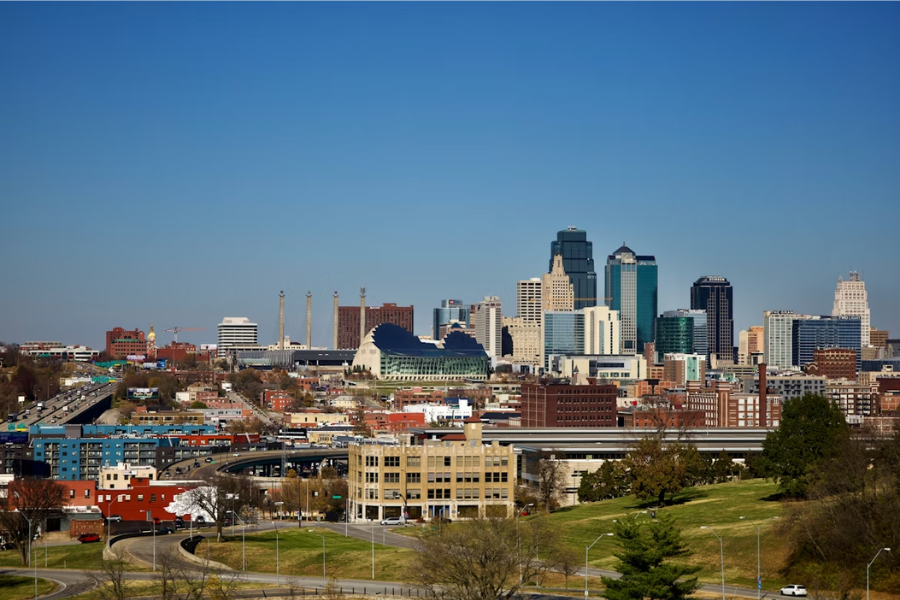
When Should You Visit?
There is no perfect answer. There is only the right answer for your situation.
Choose spring for flexibility - Spring works for travelers who can adapt and do not depend on rigid schedules.It offers moderate crowds and a mix of conditions that can work if you stay flexible.
Choose summer for activity - Summer delivers the highest level of energy and entertainment.It is ideal for short, experience-focused trips where activity matters more than cost or comfort.
Choose fall for balance - Fall provides the most stable experience across weather, activity, and availability.It is the safest choice for travelers who want consistency without sacrificing too much.
Choose winter for efficiency - Winter prioritizes control, pricing, and availability.It works best for longer stays or travelers who value flexibility over constant activity.
FAQs
What is the best time to visit Kansas City overall?
Fall is generally considered the most balanced season due to comfortable weather, steady activity, and manageable crowds.
Is summer a good time to visit Kansas City?
Yes, but it comes with higher prices, more crowds, and heat that affects daily planning.
Are winter visits to Kansas City worth it?
Yes, especially for longer stays or travelers looking for lower costs and more flexibility.
When are kc vacation rentals cheapest?
Winter and early spring typically offer better pricing compared to peak summer months.
How far in advance should I book accommodation?
For summer or major events, booking at least 2 to 3 months in advance is recommended.
The Season Does Not Matter. Alignment Does
Kansas City does not fail travelers. Poor timing does.
Spring rewards flexibility but punishes rigidity. Summer delivers energy but demands planning. Fall gives balance but is often ignored. Winter removes noise but changes expectations.
The difference between a smooth trip and a frustrating one is not luck. It is alignment between what you expect and what the season actually delivers.
Most people chase the idea of the perfect time. The smarter move is choosing a time that fits how you travel.
And once that is clear, where you stay becomes the next lever that defines your experience. Platforms like CozyInKC quietly solve that problem by giving you flexibility across seasons without forcing rigid hotel-style constraints.
Get the alignment right, and Kansas City works with you instead of against you.