
Budget Wedding Venues in Kansas City: What Season Saves the Most?
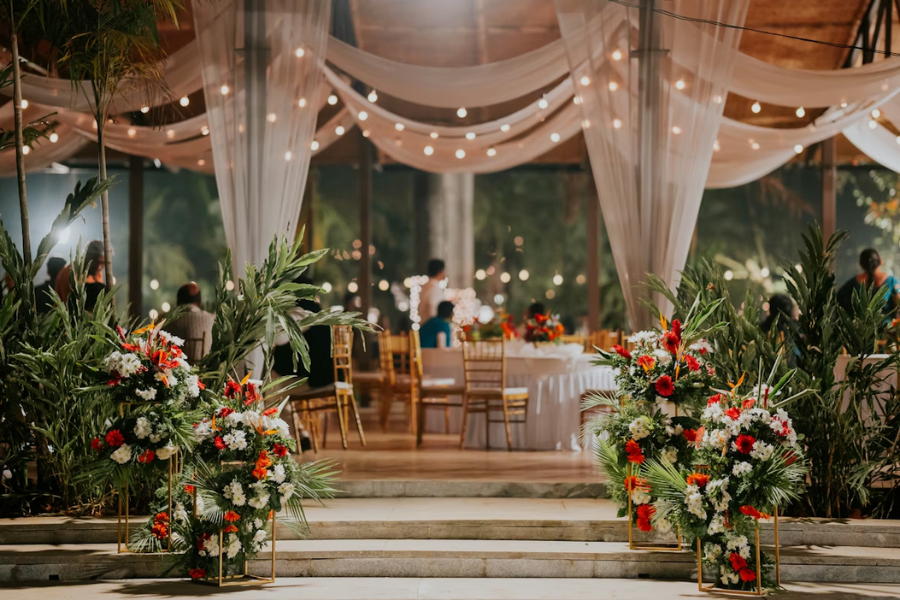
Planning a wedding in Kansas City often starts with one assumption: venue costs are fixed, and your only job is to find something within budget. That assumption is wrong.
Venue pricing is not static. It fluctuates significantly based on season, demand, and booking patterns. Two couples can book the exact same wedding venue in Kansas City and pay completely different prices depending on when they choose to host their event.
This matters more now than ever. Wedding demand has increased, venue calendars are filling earlier, and pricing strategies have become more dynamic. If you are searching for budget wedding venues Kansas City, the most powerful lever you control is not negotiation, it is timing.
This guide breaks down how seasonality affects pricing, which months offer the best value, and how to align your wedding plans with cost-saving opportunities without compromising experience.
Why Wedding Venue Pricing Changes by Season
Most couples approach wedding planning with the wrong assumption. They believe venue pricing is tied mainly to quality or reputation. In reality, pricing is driven by demand cycles, availability pressure, and how venues manage limited inventory across the year.
Wedding venues operate like high-demand assets. There are only a fixed number of desirable dates, especially weekends in ideal weather months. When demand concentrates around those windows, pricing increases automatically.
This is why questions like how much do wedding venues cost or how much are wedding venues on average do not have a single answer. The cost fluctuates based on timing, demand, and booking competition.
Another layer most people ignore is economics. Couples rarely ask why do venues charge more for weddings or are wedding venues profitable, but the answer is simple. Weddings require full-scale operations, staffing, coordination, and risk management. Venues price accordingly because each booking consumes significant resources.
Kansas City follows a structured seasonal demand pattern. Spring and fall dominate bookings, summer fluctuates, and winter remains underutilized. That is why understanding why is Kansas City so important as a wedding destination matters. It offers a mix of urban accessibility, scenic venues, and seasonal diversity that directly impacts pricing.
If you ignore these dynamics, you end up asking the wrong questions. If you understand them, you start controlling cost.
Seasonal Breakdown: What You Actually Pay
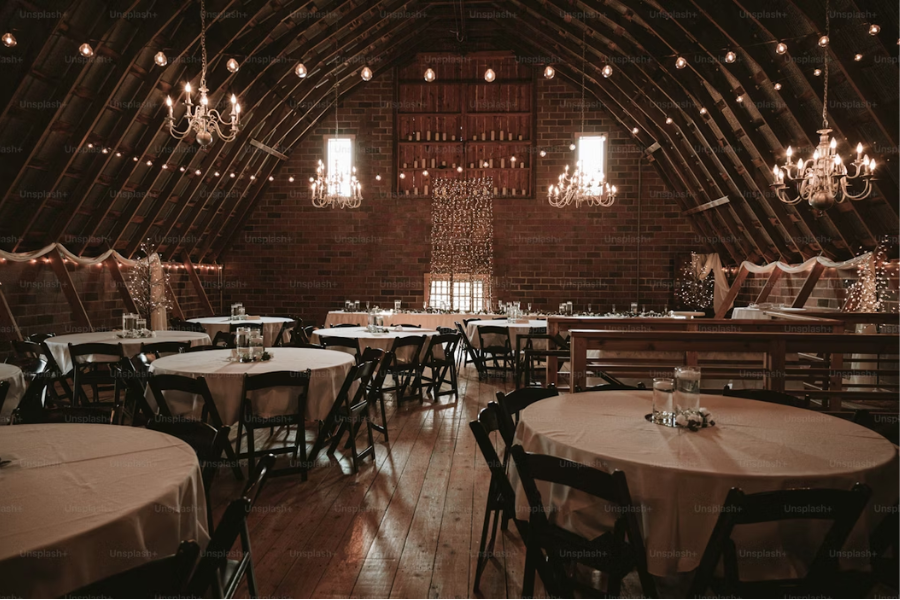
Spring (March to May): High Demand With Limited Flexibility
Spring looks like the ideal wedding window, and that is exactly why it becomes expensive.
Venues are fully aware that demand peaks here. Mild weather, blooming surroundings, and better outdoor conditions attract a large number of bookings.
This is where couples start asking what are the best wedding venues or where to find wedding venues because availability becomes competitive very quickly.
Pricing trends in spring weddings: Spring pricing remains close to peak levels, especially in April and May. Venues like Southmoreland on the Plaza do not reduce pricing because they do not need to. Demand fills the calendar.
At this stage, couples are not negotiating price. They are competing for availability.
Where limited savings still exist: Early March or weekday bookings may provide slight relief. However, these options are limited and do not significantly change overall pricing.
This is also where couples begin evaluating how much of wedding budget should be venue because spring often pushes venue costs toward a larger percentage of total spend.
Spring is not where you save money. It is where you pay for certainty.
Summer (June to August): Pricing Gaps Most Couples Miss
Summer is not straightforward. It creates confusion because pricing is inconsistent.
Some couples assume it is peak pricing throughout. Others assume it is cheaper due to heat. Both are partially wrong.
How pricing actually shifts across summer: June behaves like peak season. July and August introduce pricing variability because heat reduces demand for outdoor setups.
This is where couples start asking what questions to ask wedding venues and do wedding venues provide decorations because indoor and outdoor setups affect cost differently.
Indoor venues maintain stable pricing. Outdoor venues may offer discounts to compensate for weather risks.
Where strategic couples find opportunity: Mid-summer bookings, especially Fridays and Sundays, create pricing flexibility.
This is also where questions like do wedding venues charge per person and do wedding venues offer payment plans become relevant. Venues may adjust pricing structures or offer flexible payment terms to secure bookings during lower-demand periods.
Properties like Blue Cedar Landing become valuable here because flexible setups allow better pricing negotiation during off-peak summer dates.
Summer rewards strategy, not assumptions.
Fall (September to November): Premium Pricing Without Negotiation
Fall is where pricing reaches its peak, and flexibility disappears.
Why fall pricing dominates the market: September and October offer ideal conditions across weather, visuals, and guest comfort. This creates maximum demand.
Couples often begin comparing options and asking what are the best wedding venues again, but by this stage, availability is already limited.
This is also when financial questions become more serious. People start evaluating how much of wedding budget for venue because fall pricing can consume a significant portion of the total wedding spend.
Why negotiation rarely works: Demand exceeds supply. That removes any incentive for venues to reduce pricing.
This is also where curiosity around the industry grows. Questions like how much do wedding venues make a year or are wedding venues a good investment start making sense. Fall bookings contribute heavily to annual revenue for most venues.
Fall is not where you negotiate. It is where you commit.
Winter (December to February): The Only Real Cost Advantage
Winter is the only season where pricing shifts in your favor.
Why winter pricing drops significantly: Demand declines due to weather conditions and holiday schedules. Venues have open dates they need to fill.
This is where couples begin searching what are the cheapest wedding venues because pricing becomes more accessible.
How flexibility increases during winter bookings: Venues are more open to negotiation, package adjustments, and custom inclusions.
This is also where planning questions evolve. Couples consider what is destination wedding venues and whether winter weddings can be positioned as more intimate or travel-based experiences.
Winter also makes people rethink logistics. Instead of focusing only on cost, they begin asking what combination of venue, guest experience, and accommodation creates the best outcome.
Winter is not just cheaper. It is more flexible.
Beyond Season: What Actually Impacts Your Final Cost
Season matters, but it is not the only variable. Most couples miss this completely.
Day selection changes pricing dynamics: Saturday remains the most expensive option. Friday and Sunday offer pricing flexibility.
This is where couples reassess how much do wedding venues cost because changing the day can significantly reduce total spend.
Guest count directly influences cost structure: More guests mean higher operational costs. Venues scale pricing based on service requirements.
This is where practical questions emerge like do wedding venues charge per person and how that impacts the overall budget.
Reducing guest count is often more effective than searching for cheaper venues.
Package inclusions affect total value: Some venues include catering, decor, and coordination.
This leads to questions like do wedding venues provide decorations and whether bundled services reduce overall costs compared to hiring external vendors.
Cost is not just about pricing. It is about structure.
How Couples Actually Reduce Wedding Costs
Real savings come from combining decisions, not making one change.
A couple planning a fall wedding may struggle with budget constraints. The same couple shifting to winter or adjusting the day immediately changes the cost structure.
This is where couples begin reassessing priorities and asking how much of wedding budget should be venue versus other elements like decor, catering, and experience.
Another overlooked factor is accommodation.
Guests booking individual hotels increases costs and reduces coordination.
Using shared accommodation through CozyInKC allows groups to stay together, reduce expenses, and simplify logistics.
This is not just cost optimization. It is planning efficiency.
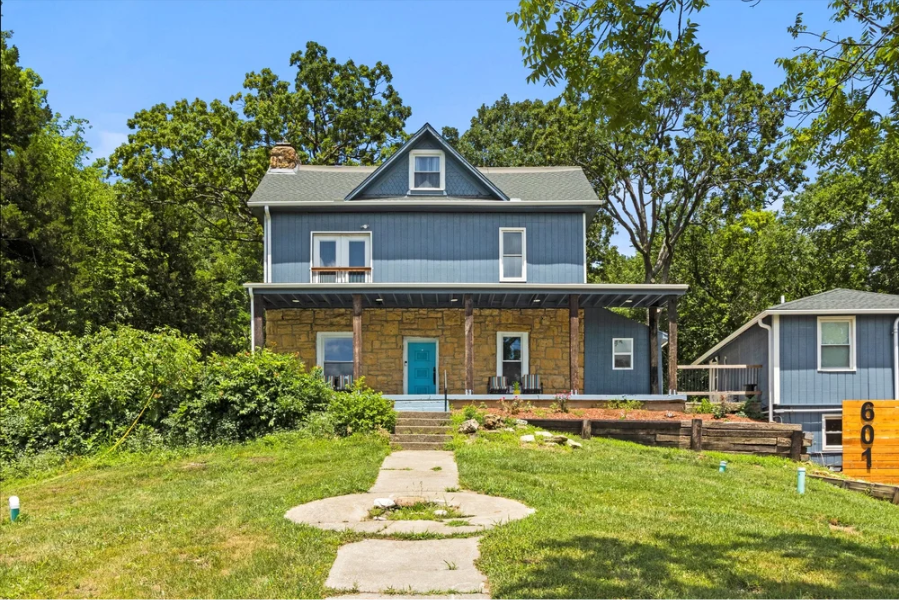
Where Accommodation Becomes a Planning Advantage
Accommodation is often treated as secondary, but it directly impacts both cost and experience.
Hotels create separation. Vacation rentals create cohesion.
This is where practical planning questions evolve. Couples stop focusing only on venues and start thinking about guest experience.
Instead of asking only where to find wedding venues, they begin considering how accommodation supports the overall event.
Vacation rentals allow shared spaces, easier coordination, and better group experiences.
FAQs
What is the cheapest season for wedding venues in Kansas City?
Winter is consistently the most affordable season, particularly January and February. During this period, venues face lower demand and actively adjust pricing to secure bookings. Many also include additional services or flexible packages, making it easier to access higher-quality venues at reduced costs.
Are cheap wedding venues Kansas City MO lower in quality?
No, lower pricing does not indicate lower quality. Most venues maintain consistent service standards throughout the year. The difference in pricing is primarily driven by demand fluctuations, meaning the same venue can offer a premium experience at a lower cost during off-peak seasons.
Can wedding venue prices actually be negotiated?
Yes, but only under specific conditions. Negotiation is more effective during off-peak seasons or for non-Saturday bookings. When demand is lower, venues are more willing to adjust pricing or include additional services to secure a confirmed booking.
Do weekday weddings reduce overall wedding costs?
Yes, weekday weddings, particularly Fridays and Sundays, often come with lower venue rates. In addition to reduced pricing, some venues may offer added benefits such as extended booking hours or included services to encourage non-Saturday bookings.
How far in advance should you book a wedding venue?
For peak seasons such as spring and fall, booking 9 to 12 months in advance is often necessary due to high demand. For off-peak seasons like winter, couples typically have more flexibility and can secure venues within shorter timeframes without compromising availability.
Is it better to change the wedding date instead of choosing a cheaper venue?
In most cases, yes. Adjusting the date allows you to access better venues at lower prices rather than compromising on quality. Strategic timing often provides more value than simply selecting a lower-cost venue option.
The Strategy That Reduces Cost Without Compromising Experience
Most couples focus on finding cheaper venues. That approach is flawed.
The venue rarely changes. The conditions around it do.
Kansas City offers a wide range of high-quality venues, but affordability depends on timing, flexibility, and decision-making.
Couples who understand this stop chasing discounts and start controlling variables. They adjust dates, rethink structure, and align decisions with priorities.
When combined with smarter accommodation planning through CozyInKC, the entire wedding experience becomes more efficient, coordinated, and manageable.
The result is not just a lower cost wedding. It is a better planned one.