
Best Neighborhoods to Stay in Kansas City During Peak Travel Months

Peak travel in Kansas City doesn’t just mean higher prices. It changes how the city functions. Traffic patterns shift, neighborhoods fill at different speeds, and availability drops unevenly depending on the type of traveler you are.
Most visitors searching for the best neighborhoods to stay in Kansas City assume proximity to attractions is enough. It isn’t. During high-demand months, the difference between a good stay and a frustrating one comes down to how well your location aligns with your daily movement.
A group attending concerts at night and exploring restaurants during the day needs a completely different base than a traveling nurse working shifts or a family attending a weekend wedding.
This guide breaks down how neighborhoods actually behave during peak travel periods, which areas work for different types of stays, and how to choose a location that reduces friction instead of adding to it.
Why Your Neighborhood Choice Can Make or Break a Kansas City Stay
Kansas City does not behave like a uniformly distributed travel market. Demand clusters. And when it clusters, it distorts perception.
During peak seasons like spring festivals, summer travel, sports weekends, and large-scale events, specific neighborhoods experience disproportionate pressure. Visitors often assume the entire city is booked out, when in reality, demand is simply concentrated in predictable zones.
Most first-time visitors immediately lean toward downtown because it feels like the obvious answer to where is the best place to stay in Kansas City. This behavior creates early scarcity in central areas while other neighborhoods remain underutilized. That is why asking what area to stay in Kansas City without understanding demand patterns leads to poor decisions.
Downtown fills first because it is familiar. Event-centric neighborhoods surge based on calendars rather than consistency. Meanwhile, residential-style neighborhoods often maintain balanced availability and pricing even during peak demand.
A smarter approach is to question not just availability but behavior. Where not to stay in Kansas City during peak traffic becomes just as important as choosing the right location. The difference between a smooth trip and a frustrating one often comes down to this single factor.
What Actually Defines the Best Neighborhood During Peak Months
Most travelers misunderstand what best means.
It is not about popularity. It is about how a neighborhood performs when the city is under pressure.
The best area to stay in Kansas City Missouri is the one that minimizes friction across your entire stay. That includes movement, accessibility, comfort, and daily usability.
A strong neighborhood during peak travel delivers three consistent advantages.
Access without congestion - You want proximity to major attractions without being trapped in constant traffic or parking issues. A well-positioned neighborhood allows movement in and out without turning every trip into a logistical problem. This becomes critical when event traffic spikes and roads slow down significantly.
Functional daily environment - A stay is not just about attractions. It includes groceries, dining, downtime, and flexibility. The best neighborhoods support these needs naturally. This is why travelers who initially search for where is a good place to stay in Kansas City often shift their thinking after arrival.
Stability during demand spikes - Some neighborhoods collapse under pressure. Others maintain structure. The safest places to stay in Kansas City are often the ones that do not fluctuate wildly in terms of congestion and usability during peak periods.
Families and longer-stay travelers quickly realize that best area to stay in Kansas City for families is not necessarily the most talked-about location. It is the one that continues to function even when the city gets busy.

Downtown Kansas City: High Access With Hidden Trade-Offs
Downtown is where most people start. It feels central, active, and connected.
And that is exactly why it becomes problematic during peak travel.
Downtown offers immediate access to nightlife, events, and entertainment hubs. If your trip revolves around concerts, sports, or short-term visits, it can be efficient. This is why many assume it answers what is the best area to stay in Kansas City.
But the trade-offs show up quickly.
Parking and mobility challenges - Parking availability becomes inconsistent. Even when parking exists, it often comes at a premium or requires extra walking. Traffic congestion increases significantly during evenings and weekends, turning short distances into time-consuming routes.
Noise and crowd density - High demand brings high activity. Noise levels rise, especially during event-heavy weekends. This affects sleep quality and overall comfort, particularly for longer stays.
Limited space and flexibility - Properties in downtown areas often prioritize location over space. This becomes restrictive for families or groups who need functional living environments.
This is where a better question emerges. Where do celebrities stay in Kansas City when they want privacy and control. The answer is rarely the most crowded district.
For short stays, downtown works. For extended stays, it often becomes exhausting.
Country Club Plaza: Structured, Walkable, and Consistent
Country Club Plaza offers a completely different experience.
It is organized, predictable, and designed for both movement and relaxation. This makes it one of the best areas to stay in Kansas City Missouri for travelers who want balance.
Unlike downtown, this area handles demand more efficiently.
Even distribution of foot traffic - The layout of the Plaza allows crowds to spread out rather than concentrate in tight zones. This reduces the feeling of overcrowding even during peak periods.
Walkability with control - You can access dining, shopping, and cultural landmarks without relying heavily on transportation. At the same time, the environment does not feel chaotic.
Consistency across peak travel - Even when demand increases, the Plaza maintains usability. This is why it consistently answers questions like what area to stay in Kansas City for both short and mid-term stays.
For families, this area becomes even more relevant. Travelers looking for best area to stay in Kansas City with kids often prioritize walkability, safety, and structured environments.
This is also where boutique experiences like Southmoreland on the Plaza fit naturally. It offers a quieter, more refined stay within proximity to major attractions, without exposing guests to the intensity of downtown congestion.
Midtown and Westport: Strategic Positioning Without Overexposure
Midtown and Westport operate as transition zones between dense and residential areas.
This positioning creates flexibility.
Instead of locking you into one high-demand zone, it allows movement across multiple areas. That flexibility becomes valuable during peak travel.
Central connectivity - You can access downtown, Plaza, and surrounding districts without being trapped in any one of them. This reduces reliance on congested routes and allows better time management.
Balanced activity levels - These neighborhoods offer nightlife and dining options without the intensity of downtown. This creates a more manageable environment for longer stays.
Adaptability for different travelers - Younger groups, extended stay visitors, and those exploring multiple parts of the city benefit from this positioning.
This is where people start thinking differently. Instead of asking what are the best neighborhoods in Kansas City for tourism, they begin considering what are the best neighborhoods to live in Kansas City. Those areas tend to perform better during peak travel because they are built for everyday usability.
Suburban Edges: The Most Underrated Advantage
Most travelers underestimate suburban edges.
They assume distance creates inconvenience. During peak travel, the opposite is often true.
Suburban neighborhoods provide stability, space, and predictability.
Lower congestion and easier parking - Traffic is significantly lighter compared to central zones. Parking is more accessible and does not require constant planning. This reduces daily stress and saves time.
More spacious accommodations - Properties in these areas offer larger layouts, making them ideal for families and groups. This directly improves comfort during multi-day stays.
Predictable travel times - Even if distances are slightly longer, travel time remains consistent because you avoid high-density congestion zones.
This is particularly relevant for group travelers and events. Venues like Blue Cedar Landing reflect this advantage well, offering spacious environments away from city pressure while still maintaining accessibility.
For travelers evaluating safest places to stay in Kansas City, suburban edges often provide the most controlled and reliable experience.
How Different Travelers Should Approach This Decision
There is no universal answer.
The right neighborhood depends entirely on how you plan to spend your time.
Event-driven travelers - If your schedule revolves around concerts, sports, or nightlife, proximity matters. Midtown or downtown can reduce travel time. But the real question is whether you prioritize access or comfort.
Families and group travelers - Space, safety, and stability become more important. This is where best area to stay in Kansas City for families shifts toward structured or suburban neighborhoods.
Extended stay visitors - For longer stays, daily usability matters more than proximity. Access to essentials, consistent traffic flow, and a quieter environment become priorities.
Staycation and local travelers - For gatherings or celebrations, property layout matters more than location. Larger homes outside dense zones provide better experiences.
This is why questions like what is the best area to live in Kansas City often overlap with long-stay decisions.
Common Mistakes That Ruin Peak Season Stays
Most issues are predictable and avoidable.
Choosing based only on price - Lower-cost options often come with trade-offs in accessibility or comfort. During peak travel, these trade-offs become more visible and disruptive.
Ignoring real commute conditions - Travel time during peak hours is not the same as off-peak conditions. A short drive can easily double, affecting daily plans.
Overvaluing central locations - Being close to everything sounds ideal, but it often leads to congestion, noise, and limited flexibility.
The better approach is to evaluate how a neighborhood performs, not just how it looks on a map.
How Location Changes the Experience
Consider two groups visiting during a summer event.
The first group books downtown. Initially, it feels convenient. But within days, they deal with parking issues, crowded streets, and limited space.
The second group stays slightly outside the core zones. They drive into events when needed and return to a quieter, more spacious environment.
The difference becomes obvious.
One group adapts to the city’s chaos. The other controls their experience.
This is where choosing places to stay in KC becomes a strategic decision rather than a default choice.
A Simple Framework to Make the Right Decision
You do not need a complicated system.
If your trip is short and event-heavy, stay closer to central zones. If your stay is longer, prioritize balance and comfort. If you are traveling with a group, prioritize space over proximity. If you want consistency, avoid areas that fluctuate heavily during peak travel.
Most importantly, align your choice with how you actually plan to spend your time.
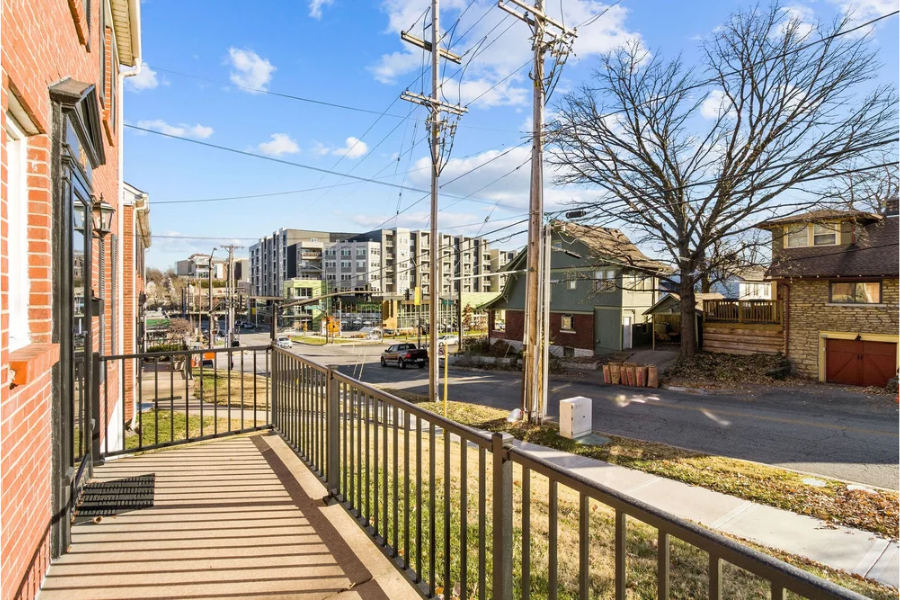
Choosing Comfort Over Chaos
Most people chase location. Smart travelers chase experience.
The right neighborhood does not just look good on a map. It works under pressure, supports your routine, and allows you to actually enjoy your time in the city.
This is where curated options like CozyInKC become relevant. They are positioned in neighborhoods that balance accessibility with comfort, avoiding the extremes of overcrowded zones or disconnected locations.
If you are trying to figure out where is the best place to stay in Kansas City without compromising on space, usability, and real-world practicality, explore options at Cozy in KC, because the difference between a good stay and a frustrating one is rarely about the city. It is about where you choose to stay inside it.
FAQs
What are the best neighborhoods to stay in Kansas City during peak travel?
During peak travel periods, areas like Downtown, Country Club Plaza, and Midtown fill up quickly and become crowded. While they offer proximity to attractions, availability drops fast and prices spike. In many cases, staying slightly outside these core zones in quieter residential neighborhoods gives you better space, easier parking, and a more comfortable overall experience without sacrificing accessibility.
Are vacation rentals in KC more practical than hotels during peak months?
In most cases, yes, especially if you are traveling with family, friends, or planning a longer stay. Hotels tend to become expensive and restrictive during peak seasons, with limited room sizes and fewer amenities. Vacation rentals offer more living space, kitchens, and flexibility, which becomes critical when the city is crowded and you want a more controlled, comfortable environment.
Is Downtown Kansas City a good place to stay?
It depends on your trip purpose. Downtown works well if your visit is centered around events, nightlife, or short business trips where proximity matters more than comfort. However, during peak periods, it can feel congested, noisy, and less relaxing. For longer stays or leisure-focused trips, most people find it less practical compared to quieter areas with better space and less traffic pressure.
Where should families stay in Kansas City?
Families should avoid high-traffic zones and prioritize areas that offer safety, space, and convenience. The Country Club Plaza area strikes a good balance with walkability and access to attractions, but quieter residential neighborhoods often provide a better overall experience. More space, less noise, and easier logistics make a noticeable difference when traveling with kids.
How far should you stay from Downtown Kansas City?
You do not need to stay in the center to enjoy the city. In fact, staying 10 to 15 minutes outside Downtown often gives you a better experience with less congestion, easier parking, and more relaxed surroundings. Kansas City is easy to navigate, so a short drive can significantly improve comfort without adding meaningful travel inconvenience.
Where Your Stay Shapes Your Experience
Peak travel in Kansas City amplifies everything. Good decisions feel smoother. Poor ones become more noticeable.
The best neighborhood is not the one everyone else chooses. It is the one that aligns with how you move, rest, and spend your time.
Travelers who approach this decision strategically, considering behavior, not just location, tend to have more consistent and enjoyable experiences.
For those looking for a balance between access and livability, selecting well-positioned properties through CozyInKC can simplify the process. It removes the need to choose between convenience and comfort.
The right neighborhood does not just place you in the city. It determines how the city feels while you are there.