
Short-Term vs Weekly Rentals in Kansas City: What Should You Book?

Travelers coming to Kansas City often assume that choosing accommodation is a simple price comparison. In reality, the decision between short term rentals Kansas City and weekly rentals Kansas City has a direct impact on comfort, cost efficiency, and how smoothly your trip unfolds.
The wrong choice shows up quickly. A group books a short stay rental for a five-day trip and ends up paying unnecessary cleaning fees twice. A traveling professional commits to a weekly rental without confirming flexibility and ends up stuck in a space that doesn’t match their needs. A family books a weekend property but realizes too late that the layout doesn’t support shared time together.
The question is not just how long you are staying. It is how you plan to live during that time.
Kansas City has seen a steady increase in both short stay and mid-term furnished rentals. As more travelers attend events, relocate temporarily, or plan extended visits, the line between short and weekly rentals has become less obvious. Understanding where that line actually matters and where it doesn’t is what separates a smooth stay from a frustrating one.
This guide breaks down how to evaluate short stay rentals versus weekly rentals Kansas City MO, when each option makes sense, and how to avoid common booking mistakes.
Short-Term vs Weekly Rentals
Before comparing benefits, you need to stop thinking in terms of duration alone and start thinking in terms of usage. Most people confuse short stays with convenience and longer stays with commitment, but that framing is incomplete.
Short-term rentals typically refer to stays ranging from one night to a few days. These properties are designed for quick turnover. The layout, amenities, and even pricing are structured around the assumption that guests will not fully use the space. That is why many of these properties prioritize visual appeal over functionality. When people search what are vacation rentals called, this is usually the category they are referring to without realizing the limitations built into it.
Weekly rentals operate differently. They are structured for five to seven day stays or longer, but more importantly, they are built for continuity. These spaces assume you will cook, relax, work, and spend meaningful time inside the property. This is where the question shifts from where to stay Kansas City MO to how you plan to live during your stay.
The difference becomes obvious once you cross the two to three day mark. A space that works for sleeping does not automatically work for living. Travelers who ignore this distinction often end up adjusting their behavior to fit the property, instead of choosing a property that fits their behavior.
Why This Decision Matters More Than You Think
Most booking mistakes are not about price. They are about underestimating friction.
What feels acceptable for one night becomes irritating by day three. Limited seating starts affecting group interaction. Lack of storage turns into clutter. Not having a proper kitchen forces unnecessary spending on food. These are not major issues individually, but they compound quickly.
This is where people start reconsidering where should I stay in Kansas City instead of just picking a central location. The assumption that location alone defines a good stay is flawed. Functionality determines whether the stay actually works.
For families, the problem becomes even clearer. People initially search where to stay in Kansas City with family and default to popular areas like downtown or the Plaza. But once they factor in noise, space constraints, and daily routines, those same locations may no longer be ideal.
The real question is simple but most people avoid asking it. Are you booking a place to sleep, or a place to live for a few days? That single distinction drives everything else.
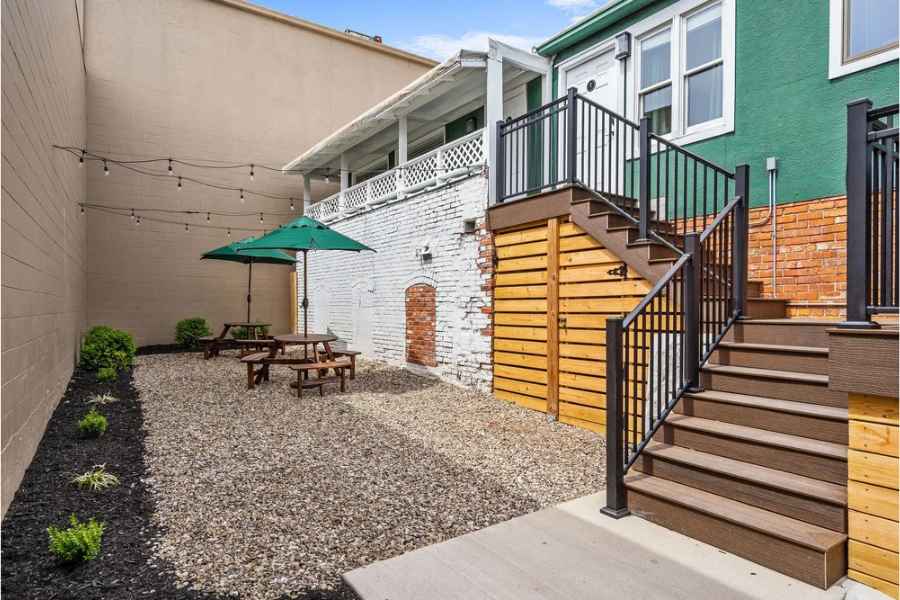
When Short-Term Rentals Make Sense
Short-term rentals are not a bad choice. They are just very specific in what they are good at. The problem is people use them outside their intended purpose.
For event-driven trips, they work extremely well. If you are visiting for a wedding, a concert, or a game, your time inside the property will be limited. In those cases, flexibility matters more than comfort. This is why travelers attending events near the Plaza often combine short stays with nearby boutique hotels like Southmoreland, especially when they want proximity without committing to a longer setup.
They also work when your travel plans are uncertain. If you are moving between cities or still deciding where to stay Kansas City Missouri, a short-term rental allows you to adjust without being locked into a longer booking. That flexibility has real value when your itinerary is not fixed.
Another advantage is speed of booking. Short stays require less planning. Most platforms are optimized for quick decisions, which answers the common question of where to find vacation rentals quickly. However, this convenience comes with a trade-off. You are paying for flexibility, not efficiency.
This is where most people miscalculate. They focus on lower upfront commitment without evaluating total cost or usability. Short-term rentals are efficient for short durations, but inefficient beyond that.
When Weekly Rentals Are the Better Choice
Weekly rentals are where most travelers start making smarter decisions, but only after experiencing the limitations of short stays.
The biggest advantage is cost structure. Many weekly rentals Kansas City MO offer pricing that reduces the per-night rate once you cross four or five days. This means what looks expensive upfront often ends up being cheaper overall. Travelers who compare only nightly rates miss this completely and end up overpaying.
The second advantage is usability. Weekly rentals are built for daily life. Kitchens are functional, not decorative. Living spaces are designed for actual use, not just photos. Storage, seating, and layout all support longer stays. This becomes critical when you are deciding where to stay in Kansas City MO for more than a weekend.
This is also why longer stays attract professionals. Traveling nurses, contractors, and remote workers need consistency. They are not looking for aesthetics. They are looking for stability. For them, the question is not convenience but sustainability.
From an investment perspective, this is where things get interesting. Many property owners evaluate are vacation rentals profitable based on occupancy and duration. Weekly rentals often create more predictable income with fewer turnovers, which directly impacts management costs and operational efficiency.
What Actually Saves Money?
Most people get this wrong because they look at the wrong metric.
Short-term rentals appear cheaper because the nightly rate looks manageable. But once you add cleaning fees, service charges, and platform costs, the total price increases significantly. These costs hit harder when spread across fewer nights.
This is why people start comparing which vacation rental site has the lowest fees, thinking platform choice will solve the problem. It will not. The structure of the booking matters more than the platform itself.
Weekly rentals reduce cost by distributing fixed fees across more nights. The longer you stay, the more efficient the pricing becomes. This is not a discount. It is a different pricing model.
The real mistake is evaluating cost per night instead of total cost for the entire stay. Once you shift that perspective, weekly rentals often come out ahead for anything beyond a short visit.
Living vs Visiting
This is where the gap becomes obvious.
Short-term rentals are designed for access. They get you in, give you a place to rest, and get you out. That works if your focus is outside the property. It does not work if you expect the property to support your daily routine.
Weekly rentals are designed for presence. They allow you to settle in, maintain habits, and use the space naturally. This difference becomes noticeable within the first two days.
Families feel it first. Groups feel it next. Even solo travelers notice it once they start spending more time inside.
This is also where location decisions change. People initially prioritize central areas but later realize why experienced travelers consider where not to stay in Kansas City when noise, congestion, and limited space start affecting the experience.
The property is not just a place to stay. It becomes part of the trip.
Common Misconceptions About Rental Duration
Most booking decisions are based on assumptions that do not hold up in real use.
The first misconception is that short stays are always cheaper. This is only true for one or two nights. Beyond that, the pricing structure shifts.
The second misconception is that weekly rentals are only for long-term tenants. In reality, they are designed for mid-term use, which includes most trips that last more than a few days.
Another common misunderstanding is around platforms. People often ask is vacation rentals legit or what are vacation rental sites because they assume risk is tied to the concept. In reality, risk is tied to the listing quality, not the model itself.
Finally, people overvalue location and undervalue setup. A well-designed property slightly outside the center often provides a better experience than a poorly designed property in a prime location.
How This Plays Out in Real Trips
This is where decisions either make sense or fall apart.
A family visiting Kansas City for a four-day wedding often starts by searching where to stay Kansas City MO and chooses something central. But once they factor in group meals, downtime, and coordination, they realize the property itself matters more than the address.
This is also where venues like Blue Cedar Landing come into the picture. Guests attending events there often extend their stay, and a weekly rental setup becomes far more practical than moving between short stays. The ability to maintain routines around the event changes the entire experience.
A traveling professional staying for one or two weeks will almost always choose a weekly rental. Not because it is cheaper upfront, but because it supports daily living without friction.
A group attending a single event may still prefer a short-term rental. But even then, the decision works only if they genuinely do not plan to use the space beyond sleeping.
The pattern is consistent. The more you use the property, the more weekly rentals make sense.
Where CozyInKC Fits In
Most listings force you into a trade-off.
Some are optimized for quick turnover and look good online but fail in real use. Others are functional but lack personality or flexibility. Very few balance both.
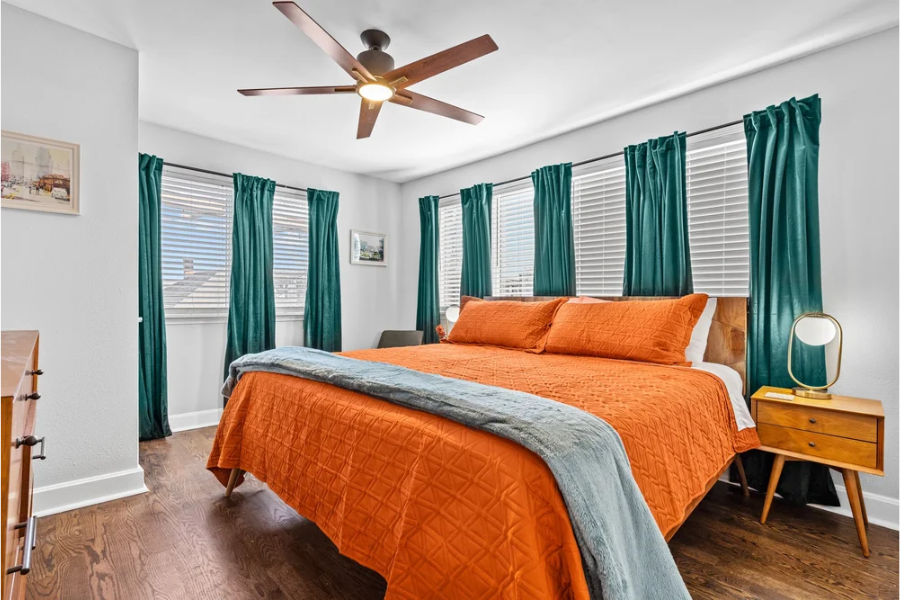
This is where CozyInKC becomes relevant. Their properties are designed for group stays, extended comfort, and flexible durations without sacrificing usability. They sit between short-term convenience and weekly functionality, which removes the usual compromise.
For travelers still figuring out where to rent a vacation home that actually works beyond surface-level appeal, exploring CozyInKC provides a practical benchmark.
At the same time, if your trip is centered around experiences near the Plaza or you prefer a more traditional boutique stay, places like Southmoreland offer a different but equally relevant option. The key is aligning the stay with your purpose, not just following what most listings push.
FAQs
What is the difference between short term rentals Kansas City and weekly rentals?
The difference is not just about how long you stay, it is about how the property is designed to be used. Short-term rentals are optimized for quick visits, which means they focus on flexibility, faster turnover, and basic convenience. Weekly rentals are structured for extended stays, so they include more functional layouts, better storage, full kitchens, and amenities that support daily routines. In simple terms, short-term rentals are built for temporary use, while weekly rentals are built for temporary living.
Are weekly rentals Kansas City cheaper than short stays?
They often are, but only when you look at the total cost instead of the nightly rate. Short-term rentals usually have higher per-night pricing and fixed costs like cleaning fees that hit harder on shorter stays. Weekly rentals spread those costs across more nights and often include discounted pricing for longer bookings. Once your stay crosses four or five days, the average cost per night typically drops, making weekly rentals more cost-efficient overall.
Who should book short stay rentals?
Short stay rentals make sense for travelers who will barely use the property beyond sleeping. This includes weekend visitors, event attendees, or people with tightly packed itineraries. If your focus is on being outside, attending events, or exploring the city all day, the limitations of a short-term rental will not impact your experience much. But if you expect to spend time inside the property, those limitations become noticeable very quickly.
Are weekly rentals suitable for families?
Yes, and in most cases, they are the better option. Families need space, structure, and convenience that goes beyond just having beds. Weekly rentals typically include full kitchens, multiple living areas, laundry facilities, and layouts that allow people to coexist comfortably. This becomes important when managing meals, downtime, and routines, especially with kids. A space that works for one night rarely works for multiple days when a family is involved.
Can I switch from short-term to weekly rental during a trip?
In most cases, it is not that simple. Availability, pricing structures, and host policies can make mid-stay changes difficult or more expensive. Some properties may allow extensions, but they are usually priced differently than booking a weekly rental upfront. The smarter approach is to plan your stay length realistically from the beginning. Choosing the wrong type of rental and trying to fix it later often leads to higher costs and limited options.
Choosing Based on How You Actually Travel
The difference between a good trip and a frustrating one often comes down to how well your accommodation matches your behavior.
Short-term rentals work when your stay is brief and your time inside the property is limited. Weekly rentals work when your trip involves living, not just visiting.
Kansas City offers both options, but they are not interchangeable. Choosing the right one requires understanding how you plan to spend your time, how your group interacts, and what level of comfort you expect over multiple days.
For travelers who want a balance between flexibility and livability, selecting a property designed with real use in mind, not just visual appeal, makes a noticeable difference. That’s where well-structured rental options, including those offered through CozyInKC, tend to stand out.
The better you match your stay type to your actual needs, the less you will have to adjust once you arrive.